 Back

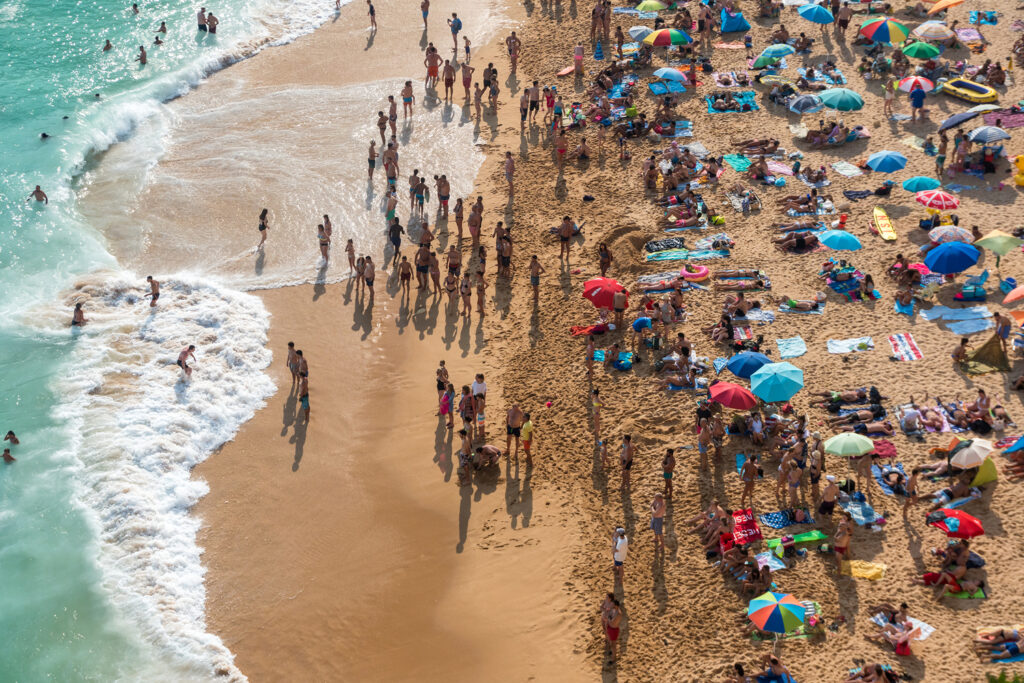
Every year, Hawaii welcomes millions of visitors from around the globe. Why? They’re drawn by its stunning beaches, lush landscapes, and vibrant culture. However, this paradise’s popularity has led to a pressing issue which is overtourism in hawaii.
A total of 6,693,107 visitors arrived in the first eight months of 2026, which was an increase of 1.8 percent from 6,572,305 visitors in the first eight months of 2025. Although tourism supports local jobs and businesses, managing its effects remains important for protecting the islands’ environment and quality of life for residents.
If you’re visiting Hawaii for the first time, you can help by planning thoughtfully, respecting local customs, and making responsible choices throughout your trip. You can also consider travelling during the shoulder months, such as April, May, September, or October, when crowds may be smaller than during peak periods.
This guide explains the challenges associated with overtourism and offers practical ways to enjoy Hawaii while helping preserve what makes it special.
Understanding Overtourism in Hawaii
Overtourism occurs when the number of visitors in a destination places excessive pressure on its environment, infrastructure, cultural sites, or residents’ daily lives. In Hawaii, these effects can be particularly noticeable at popular beaches, hiking trails, scenic viewpoints, and other visitor hotspots.
However, conditions vary across the islands and throughout the year. Some areas experience heavy crowds during peak periods, while others remain quieter. Responsible travel means understanding local conditions rather than assuming every destination faces the same level of pressure.
10 Issues Caused by Overtourism in Hawaii
When visitor numbers exceed what a destination can comfortably accommodate, several challenges can arise. The effects depend on the location, season, infrastructure, and how visitors behave.
1. Overcrowded Attractions
Popular beaches, trails, and attractions can become crowded, leaving visitors with less room to relax and enjoy their surroundings. Imagine trying to relax on a beautiful beach but not having enough room to spread out and enjoy the sand and waves.
Crowding may also affect access to parking, facilities, and public spaces used by residents. Checking local conditions and visiting popular attractions at less busy times can help make your trip more enjoyable.
2. Longer Waits and Traffic Delays
High visitor numbers can mean longer queues at attractions and restaurants, as well as congestion on popular roads. These delays can disrupt travel plans, particularly when visitors have multiple stops planned for the same day.
3. More Trash and Pollution
More visitors can mean more waste and traffic. Litter can harm wildlife, while increased vehicle use can contribute to pollution. You can help by:
- Using rubbish bins and taking your waste with you.
- Carrying a reusable water bottle.
- Avoiding single-use plastics where practical.
4. Higher Prices and Increased Living Costs
As more tourists visit, the demand for things like food, accommodations, and souvenirs can go up. When demand is high, prices may increase as well. This can make your trip more expensive than you planned, and tourism-related demand can also add to affordability pressures for local residents.
5. Damage to Natural Landscapes
Heavy foot traffic can erode hiking trails, damage vegetation, and wear down fragile natural areas. When visitors stray from marked paths or ignore access restrictions, the damage can become harder to reverse.
6. Noise and Disruption in Residential Areas
Large crowds, traffic, and noisy activities can disturb residential neighbourhoods and peaceful natural areas. Visitors staying in residential accommodation should be particularly mindful of quiet hours, parking rules, rubbish collection, and shared spaces. Respecting the people who live in the neighbourhood helps make tourism more considerate for everyone.
7. Commercialisation of Hawaiian Culture
When tourism demand drives how cultural traditions are presented, meaningful practices and historical sites can be reduced to tourist attractions. Without proper context or respect, visitors may miss the significance of Native Hawaiian traditions and cultural protocols.
8. Strain on Local Resources
A sudden influx of tourists means more people using resources like water, energy, and public facilities. Local infrastructure might not be equipped to handle such high demand, leading to pressure on essential resources. This can affect both the quality of life for residents and the experience of visitors.
9. Disturbance to Marine and Wildlife
Human activity can disrupt wildlife, particularly when visitors approach animals too closely, feed them, or disturb their habitats. In coastal waters, careless snorkelling, touching coral, and anchoring in sensitive areas can damage marine ecosystems that take years to recover.
10. Reducing Housing Availability for Residents
Short-term vacation rentals can reduce the homes available for long-term residents in some areas. Maui’s Bill 9 targets certain vacation rentals in apartment-zoned areas to help increase long-term housing availability, highlighting the need to balance tourism with residents’ housing needs.
Tourism supports Hawaii’s economy, but managing its impact requires responsible visitor behaviour, environmental protections, and policies that consider local communities.
Reducing Overcrowding: Choosing When & Where to Visit Hawaii
Choosing responsible travel times and locations is a smart way to address overcrowding. When you pick times when fewer people are travelling or explore places that are less crowded, you can make a positive difference. Fewer crowds can mean you enjoy your trip more, while also helping reduce pressure on popular destinations.
When too many tourists visit the same places, it can cause problems like crowded streets and pressure on local resources. Before your trip, check the busiest periods for the attractions you want to visit. You can also plan your itinerary to include different areas rather than visiting only the most popular spots.
However, remember to check access rules before visiting less familiar places. Some areas may be private, culturally sensitive, or closed to protect the environment.
Supporting Local Businesses and Communities
When you’re in Hawaii, it’s a wonderful idea to buy things from local shops and eat at their restaurants. This helps support the people who live there. When you spend money at locally owned businesses, more of that spending can benefit the surrounding community.
You can also help by participating in organised activities that support the area, like beach cleanups. This shows that you care about where you’re visiting and the people who live there.
Respecting Hawaii’s Environment
Taking care of Hawaii’s environment starts with a few simple habits:
- Put rubbish in the proper bins and take your belongings with you.
- Avoid touching coral, disturbing wildlife, or removing natural materials.
- Stay on marked hiking trails and follow posted signs.
- Check local weather, ocean conditions, and safety guidance before outdoor activities.
When swimming or snorkelling, avoid standing on or touching coral reefs. Choose a mineral-based sunscreen marketed as reef-friendly and check the ingredients and current local guidance. Hawaii restricts the sale of sunscreens containing oxybenzone or octinoxate without a prescription; this does not mean every other sunscreen is harmless to marine life.
Embracing Hawaiian Culture With Sensitivity
Hawaii has a rich Native Hawaiian culture and history. Learning about local traditions and showing respect can make your visit more meaningful.
- Follow the rules at cultural and historical sites.
- Respect sacred places and restricted areas.
- Ask permission before photographing people where appropriate.
- Listen to local guides and learn about the history behind the places you visit.
Respecting local customs is about more than learning a few Hawaiian words. It also means being considerate of residents and understanding that some places are not intended for tourism.
Final Thoughts: Overtourism in Hawaii
Hawaii’s natural landscapes, wildlife, and cultural heritage are part of what makes the islands so special. Tourism also supports local livelihoods, making it important to consider both the benefits of visiting and the pressures that unmanaged visitor activity can create.
As a first-time visitor, you can make a difference through practical choices: plan around local conditions, support community businesses, protect natural areas, respect Hawaiian culture, and follow the rules at every destination.
Responsible travel won’t eliminate overtourism on its own, but it can help make your visit more considerate of the people and places that make Hawaii unique.