 Back

The best time to visit Hawaii for a balance of warm weather, fewer crowds, and better value is generally April to May or September to October. Winter is popular for whale watching and big-wave surfing, while summer suits many beach-focused family trips.
However, the right month still changes by island and by what you want to do, whether that is whale watching, surfing, snorkeling, or saving money. Below, we break it down with a month-by-month table, island-by-island picks, holiday and event dates, and booking tips.
When Should You Visit Hawaii?
May and September are excellent all-around months to visit Hawaii. Both offer warm temperatures, generally manageable rainfall, and opportunities to find lower accommodation rates than during major holiday periods. However, ocean conditions and rainfall vary by island and coastline.
| Travel Goal | Best Months | Why |
| Best overall weather | May, June, September, October | Warm temperatures and generally favorable conditions for outdoor activities |
| Potential Better Value | Late spring and early fall, with early December also worth comparing before holiday demand increases. | Shoulder-season travel can mean fewer crowds and better accommodation availability |
| Whale watching | January to March | Humpback whales are commonly seen during the winter season |
| Fewest crowds | May; September to early November | These months generally fall between major travel peaks |
| Winter Surfing | November to March | Large swells often reach north-facing shores. |
| Summer Snorkeling | June to September | Some north-facing shores become calmer, although conditions vary by location. |
If you’re looking for the cheapest time to go to Hawaii, compare accommodation prices in September, October, early November, and late spring. These are useful periods to explore, but no month is guaranteed to be the cheapest. Prices depend on the island, property, length of stay, and specific travel dates.
Thanksgiving, Easter, Christmas and New Year, spring break, peak summer, and major local events can increase accommodation costs. Compare several date ranges and check the total price, including taxes, cleaning fees, parking, and minimum-night requirements, before booking.
Hawaii Month by Month: Weather, Crowds, Prices, Whales and Surf
Use this table to match your travel month to what matters most. Surf is the headline difference between seasons: big waves hit north-facing shores from November to March, while summer swells favor south shores.
| Month | Weather | Crowds | Prices | Whale Watching | Surf |
| January | Mild to warm, with winter showers in many areas | High | Often high | Peak season | Large north-shore swells are common |
| February | Mild to warm, with periods of rain | High | Often high | Peak season | Large north-shore waves remain common |
| March | Warm, with variable rainfall | High during spring break | Often high | Season continues; sightings remain common | Winter swells may begin easing |
| April | Warm, with changing rainfall patterns | Moderate, higher around Easter | May ease after spring break | Late-season sightings possible | Winter swells generally ease |
| May | Warm, with conditions varying by island | Often lower | Worth comparing for value | Occasional late-season sightings | North-shore surf is often smaller |
| June | Warm to hot, with generally drier conditions in many areas | Rising | Moderate to high | Generally off-season | South-shore swells become more common |
| July | Warm to hot, often sunny in some areas | High | Often high | Off-season | South-shore surf is common |
| August | Warm to hot, with variable rainfall | High | Often high | Off-season | South-shore swells may continue |
| September | Warm to hot, often relatively dry in some areas | Often lower | Worth comparing for value | Off-season | South-shore swells may continue |
| October | Warm, with rainfall patterns beginning to shift | Often lower, but varies | Worth comparing for value | Early arrivals are possible | North-shore swells begin returning |
| November | Warm, with increasing winter rainfall in many areas | Lower early; higher around Thanksgiving | Varies by dates | Season begins | North-shore surf builds |
| December | Mild to warm, with more frequent showers in some areas | High, especially late in the monthb | Often highest around the holidays | Season continues | Large north-shore waves are common |
Note: These are general seasonal patterns, not guarantees. Weather, ocean conditions, crowds, and accommodation prices vary by island, coastline, holiday dates, and year.
Hawaii Rainy Season: When Does It Rain Most?
Hawaii’s rainy season generally runs from November through March, although rain can occur throughout the year. Windward coasts and mountainous areas tend to receive more rainfall than many leeward areas, so conditions can vary significantly across the same island.
Hilo on the Big Island, Hanalei on Kauai, and Hana on Maui are examples of areas that receive substantial rainfall. In contrast, leeward destinations such as Kona, Kihei, Wailea, Poipu, and Waikiki are generally drier, although they can still experience showers.
Rain doesn’t necessarily mean you need to cancel your plans. Conditions may differ between parts of an island, so you may be able to adjust your itinerary if one area is wet. However, check local forecasts before hiking, driving scenic routes such as the Road to Hana, or taking boat tours. Heavy rain can affect visibility, road conditions, trail safety, and ocean conditions.
Hawaii Hurricane Season: What Travelers Should Know
Wondering if there’s a best time to visit Hawaii to avoid hurricanes? Hawaii’s official Central Pacific hurricane season runs from June 1 through November 30. If you’re concerned about storms, you can consider traveling outside these months, but hurricanes are possible outside the season too, so there’s no completely risk-free time to visit.
Direct hurricane impacts on Hawaii are relatively uncommon, but storms can affect flights, ocean conditions, and transportation. NOAA’s 2026 outlook called for an above-normal Central Pacific season, which refers to expected storm activity rather than predicting a direct hit on Hawaii.
Before your trip, check official weather forecasts and consider travel insurance that covers eligible weather-related disruptions.
Best Time to Visit Each Hawaiian Island
Hawaii’s islands share similar seasons, but rainfall, surf, and local activities vary. Use the table below to compare the best months for each island, then check the seasonal details before deciding where to go.
| Island | Best months | Best for | What to consider |
| Oahu | April to June, September to October | Waikiki beach days, hiking, sightseeing, and North Shore surf viewing in winter | Oahu has powerful winter waves, while summer often brings calmer conditions. Always check local ocean advisories before swimming. |
| Maui | May, September | Beaches, snorkeling when conditions are safe, scenic drives, and humpback whale watching | Winter is a popular time to see whales, but some areas experience more rain and rougher seas. |
| Kauai | May to September | Na Pali Coast tours, hiking, beaches, and exploring the island’s lush scenery | Heavier rain and rough surf from November to March |
| Big Island | April to June, September to October | Kona-side beaches, snorkeling, scenic drives, and stargazing | Kona and the Kohala Coast are generally drier, while Hilo on the east side receives more rain. Mauna Kea can be extremely cold in winter. |
Oahu
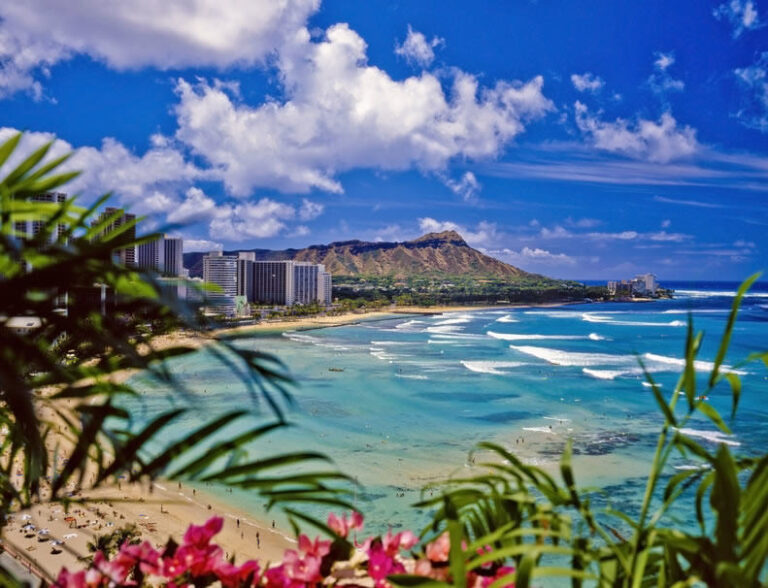
Waikiki and the south shore are generally sunnier and drier than many parts of the island. The North Shore sees its biggest waves in winter and often calmer conditions in summer.
- Summer: Some North Shore beaches are better suited to swimming and snorkeling when conditions are safe.
- Winter: Large waves attract surfers and spectators, but swimming at exposed beaches can be dangerous.
- What to Keep in Mind: Box jellyfish can appear on some beaches, particularly around the week after a full moon. Check local advisories.
- Where to Stay: Oahu vacation rentals can offer extra space and a kitchen. Choose a location based on beach access and the attractions you plan to visit.
Maui
May and September are good months for a general Maui vacation, offering warm weather, beach activities, and opportunities to avoid some peak travel crowds. However, the best month to visit Maui depends on your plans. Winter into early spring, especially January through March, is popular for humpback whale watching.
- Whale Watching: Humpback whales generally visit Hawaiian waters from November through May, with peak viewing usually from January through March.
- Road to Hana: Check weather and road conditions before driving, as heavy rain can make routes slippery.
- Haleakala Sunrise: Advance reservations are required, and warm clothing is essential at the summit year-round.
- Where to Stay: Compare Maui beachfront rentals by location. South and West Maui are generally drier than many other parts of the island. Check current visitor guidance before planning a stay in West Maui.
Kauai
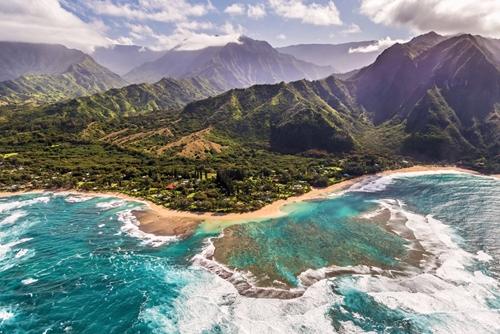
May to September is often a good period for outdoor activities, particularly along the North Shore. Kauai receives more rainfall than the other main Hawaiian Islands, especially in winter.
- Summer: North Shore beaches around Hanalei often have calmer conditions, and Na Pali Coast boat tours may have more favorable seas.
- Winter: North-facing beaches can experience powerful surf and dangerous currents. Poipu on the south shore is often a drier alternative.
- Where to Stay: Compare Kauai vacation homes on the north and south shores based on your planned activities and how much driving you want to do.
Big Island
April to June and September to October are good months to visit the Big Island, with generally warm weather and opportunities for outdoor activities. Conditions vary by region, though: the Kona and Kohala coasts are typically drier, while Hilo receives more rainfall.
- Spring and Fall: Good periods for exploring the coast, snorkeling, and visiting scenic attractions.
- Winter: Mauna Kea can experience freezing temperatures and snow, while coastal areas generally remain warm.
- Where to Stay: Big Island vacation rentals on the Kona side may suit travelers looking for drier weather and easy access to coastal activities.
What About Molokai and Lanai?
Molokai and Lanai are quieter alternatives for travelers seeking a less crowded Hawaiian experience. Summer and early fall often offer favorable conditions for outdoor activities, but weather and ocean conditions still vary.
These islands have fewer accommodation and transportation options than Oahu or Maui, so confirm availability and logistics before finalizing your trip.
Best Time to Visit Hawaii For Better Prices and Crowds
Travel dates can influence accommodation costs just as much as the weather. A week that is normally quiet can become expensive when a major holiday or event brings more visitors to an island.
Holidays that Can Raise Prices
- Christmas through New Year: Typically one of the most expensive periods for accommodation.
- Presidents’ Day weekend: Can increase demand, particularly in popular resort areas.
- Spring break: School holidays from March into early April can bring more families and higher rates.
- Memorial Day and Fourth of July: Holiday travel can increase demand around these dates.
- Mid-June through mid-August: Summer school holidays make this a popular period for family trips.
- Labor Day weekend: Can create a short increase in demand during September.
- Thanksgiving week: Often costs more than the surrounding weeks in the quieter fall season.
- Major local events: Festivals, sporting events, and surf competitions can increase demand in specific areas.
If you’re looking for a quieter or more affordable trip, compare dates outside these busy periods. If attending a festival or sporting event is part of your plan, book early and check the event’s official website for confirmed dates.
Hawaiian Events Worth Planning Around
- Merrie Monarch Festival, Hilo (March 28 to April 3, 2027): he festival features cultural events, performances, and a major hula competition. Check the official website for the confirmed dates each year.
- IRONMAN World Championship, Kailua-Kona (October 9, 2027): The event is generally held in the fall and can increase demand for accommodation around Kona. Check their official website for more details.
- Honolulu Marathon, Oahu (December 13, 2026): Held on the second Sunday in December, this event attracts runners and visitors to Honolulu.
- North Shore Surf Season, Oahu (November through February): Winter brings large waves and surf competitions, attracting spectators and surfers.
- Aloha Festivals: Events held across Hawaii, particularly during September, celebrate Hawaiian culture, music, and traditions. Check the annual schedule for specific locations and dates.
If you want a quieter trip, compare dates outside these peak periods. If attending a festival or sporting event is part of your plan, book accommodation early and check the event’s official website before finalizing travel arrangements.
When is the Best Time to Book Hawaii Vacation Rentals?
The best time to find value in Hawaii vacation rentals depends on your travel dates, preferred island, and accommodation type. Late spring and early fall are worth comparing because they often fall between major travel peaks. However, prices and availability vary, so checking multiple dates is more reliable than assuming one month will always be cheaper.
Best Value Travel Windows
- Mid-April to early June: This period often combines warm weather with lower demand than the summer holidays. Compare dates around Easter and Memorial Day to find the best time to visit Hawaii for you.
- September to early November: After the summer rush, accommodation availability can improve, and rates may be lower. September and October are especially worth comparing if your dates are flexible.
- Early December: The first part of the month can offer a quieter window before Christmas and New Year demand increases.
When to Expect Higher Accommodation Costs
Prices often rise around Christmas and New Year, spring break, peak summer weeks and major local events. Whale-watching season can also increase demand in popular areas, especially around Maui.
Some property owners set minimum stays during busy periods, so check the rules before booking a short trip.
How Far Ahead Should You Book?
Your booking timeline depends on the island, season, property, and flexibility of your plans. Booking during shoulder seasons may help you find better rates and availability. Popular beachfront rentals and holiday dates may require earlier planning.
- Christmas, New Year, and Peak Summer: Start comparing options six months or more in advance.
- Whale season, January through March: Consider booking four to six months ahead, especially for popular Maui locations.
- Shoulder seasons: Two to three months may be sufficient for some properties, but desirable oceanfront homes can book earlier.
- Major Events: Book early once event dates are confirmed, as local demand can reduce availability.
Note: These are planning guidelines, not guarantees of availability or pricing. To compare options accurately, look at the total cost of your stay, including accommodation taxes, cleaning fees, parking charges, and minimum-night requirements. A lower nightly rate may not result in a cheaper booking if additional fees or stay restrictions apply.
Wrapping Up
The island is a year-round destination, but the best time to visit Hawaii depends on what you want from your trip. Spring and early fall can offer a good balance of warm weather, outdoor activities, and fewer crowds, while winter is ideal for whale watching and big-wave surfing. Summer is popular for beach days and family vacations, though prices and visitor numbers can be higher.
Once you’ve chosen your travel dates, consider the weather, events, and conditions on your preferred island before finalizing your plans. Then explore Hawaiian Beach Rentals to find a vacation rental that suits your budget, preferred location, and the way you want to experience Hawaii.