
 Back

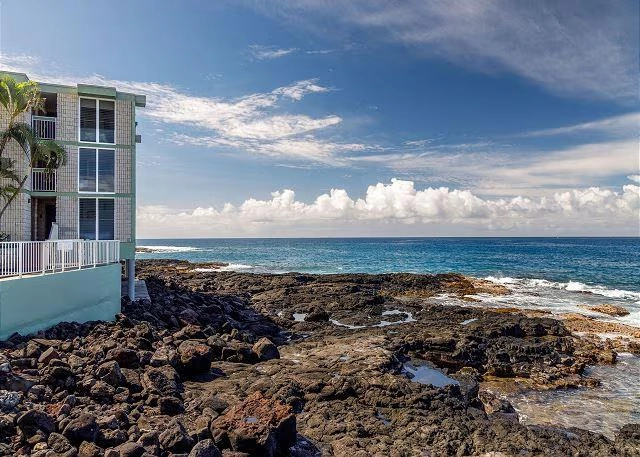
Choosing between a hawaii vacation rental vs hotel in Hawaii depends on your budget, group size, and travel style. Vacation rentals are often a better fit for families, groups, and longer stays because they offer more space and kitchen facilities, while hotels suit travelers who prefer daily housekeeping, on-site amenities, and less planning.
However, the cheaper option depends on the nightly rate, taxes, resort fees, parking, and cleaning charges. Here’s how to compare the two and decide which makes more sense for your Hawaii trip.
Vacation Rental vs Hotel in Hawaii: Comparison Table
Choose a vacation rental if you want more room, plan to cook some meals, or are traveling with family or friends. A hotel may suit you better if you are staying for a few nights, want daily housekeeping, or prefer having services available on-site.
| What to Compare | Vacation Rental | Hotel |
| Best for | Families, groups, and longer stays | Couples, solo travelers, and shorter stays |
| Sleeping space | Often has separate bedrooms and a living area | Usually has a guest room or suite; groups may need multiple rooms |
| Kitchen and meals | Often includes a full kitchen for preparing meals and snacks | Usually has limited cooking facilities, although some rooms have kitchenettes |
| Total accommodation cost | Can offer better value when several people share, but cleaning and other fees add up | Can suit shorter stays, but resort fees and parking may increase the bill |
| Food budget | Cooking some meals can reduce restaurant spending | Restaurant meals and room service can increase food costs |
| Parking and transport | Parking arrangements vary; a rental car may be useful depending on the location | Parking may cost extra, although some hotels are within walking distance of restaurants and shops |
| Beach access | Ranges from beachfront homes to properties that require a drive to the beach | Some hotels are beachfront; others are farther inland |
| Privacy | Often offers a private living area and, in some properties, a lanai or outdoor space | Typically includes shared areas such as lobbies, hallways, and elevators |
| Housekeeping and laundry | Cleaning schedules vary; laundry facilities may be available | Housekeeping may be available, while laundry services depend on the property |
| Amenities | May include a kitchen, washer, dryer, beach gear, or outdoor space | May offer pools, restaurants, fitness centers, and concierge services |
| Check-in and assistance | May use a keypad or lockbox; support depends on the property manager | Often has a front desk, although staffing hours vary |
| Cancellation | Depends on the host or property manager’s policy | Depends on the hotel and the rate booked |
| Extra responsibilities | You may need to follow rubbish disposal and checkout instructions | Checkout is generally more straightforward, although other charges may apply |
| What to check before booking | Total price, cleaning fees, parking, rental legality, location, and included amenities | Total price, resort fees, parking, cancellation terms, and available amenities |
The main difference comes down to the kind of stay you prefer. A vacation rental offers more independence, while a hotel may provide easier access to services and amenities. The following sections explain how these differences affect your budget, daily routine, and choice of location.
Vacation Rental vs Hotel: Space, Kitchens, and Amenities
Accommodation layout can affect how comfortable a Hawaii trip feels, particularly for families and groups sharing a stay.
Vacation rentals often have separate bedrooms, a living room, and a kitchen. Some also include laundry facilities, making it easier to manage beach clothes and pack less for longer trips.
Hotel rooms generally have a more compact layout, although suites and connecting rooms provide alternatives. Compare the room configuration and total cost if everyone needs separate sleeping space.
Which Option is Better for Families and Groups?
A vacation rental can make group trips easier when everyone wants to share meals, spend time together in a common area, or follow different schedules without booking several separate rooms. Large group homes may be worth considering when traveling with extended family or friends.
Hotels can be a practical alternative for families who prioritize organized activities, swimming pools, restaurants, or staff assistance. Check whether the hotel offers suitable family rooms, connecting rooms, or facilities for children.
Do Vacation Rentals Save Money on Meals?
A kitchen can help reduce restaurant spending when travelers prepare some breakfasts, snacks, or dinners. However, groceries still cost money, and eating in every day may not suit everyone’s holiday plans.
Hotels can be more convenient for travelers who prefer eating out or having breakfast available on-site. Some also offer kitchenettes, so check the facilities included with the specific room.
Handpicked condos, beachfront homes and family villas — exclusively curated for travelers who want to skip the guesswork.
Browse Our Hawaii Vacation Rentals and Find the Stay That’s Perfect for You

Is a Vacation Rental Cheaper Than a Hotel in Hawaii?
When comparing a vacation rental vs hotel in Hawaii, neither option is automatically cheaper. The final cost depends on nightly rates, taxes, cleaning fees, resort fees, parking, and how much you spend on meals. A vacation rental may offer better value for a larger group or longer stay, while a hotel can be more economical for shorter visits.
Compare nightly rates, taxes, and resort fees
Hawaii’s state transient accommodations tax (TAT) increased to 11% on January 1, 2026. Both hotels and qualifying short-term vacation rentals generally fall under the state’s lodging-tax framework. County transient accommodations taxes and general excise tax (GET) may also affect the final amount.
Hotels may charge additional resort or amenity fees and parking fees, depending on the property. Vacation rentals may have cleaning fees, service charges, or separate parking costs. Some include parking and other amenities in their rates.
Rather than assuming one accommodation type has lower taxes or fewer charges, compare the complete booking breakdown for your dates. For a broader look at accommodation prices, taxes, and other holiday expenses, read our guide to Hawaii Trip Cost in 2026.
What Could a Week in Hawaii Cost for a Family?
The following example illustrates how accommodation and food expenses can differ for a family of four staying in Hawaii for seven nights. These are hypothetical figures, not current property quotes or average Hawaii prices.
For a fair comparison, the example assumes that neither property charges resort fees or additional parking fees. Parking and lodging taxes are excluded from both options. The hotel food budget assumes an average of $50 per person per day spent on meals, while the rental budget assumes $30 per person per day, with breakfasts and some dinners prepared using groceries and the remaining meals eaten out.
| Cost for 7 Nights | Hotel | Two-Bedroom Vacation Rental |
| Nightly rate | $400 | $325 |
| Accommodation subtotal | $2,800 | $2,275 |
| Resort fees | $0 | $0 |
| Parking | Excluded | Excluded |
| Cleaning fee | $0 | $200 |
| Lodging subtotal before taxes | $2,800 | $2,475 |
| Food for four | $1,400 | $840 |
| Estimated Lodging + Food Total | $4,200 | $3,315 |
Note: These illustrative totals exclude lodging taxes, GET, parking, airfare, rental cars, activities, and other travel expenses. Actual booking prices and applicable taxes vary by property, island, and travel dates. The rental’s $200 cleaning fee is assumed to be a one-time charge, and parking is excluded from both examples.
Under these assumptions, the vacation rental costs less because of its lower nightly rate and the family’s ability to prepare some meals. However, the difference is not guaranteed. A hotel with a lower nightly rate, complimentary breakfast, or no resort fees could offer better value. Similarly, a vacation rental with higher cleaning fees or paid parking could increase the overall cost.
For a couple staying two or three nights, a hotel may make more financial sense because there is less need for additional bedrooms or kitchen facilities. Always compare the complete booking totals before deciding.
Explore by Area
Browse Hawaii Vacation Rentals

Location and Privacy: Where Should You Stay in Hawaii?
Hotels are often convenient for travelers who want to stay near beaches, restaurants, and shops, while hawaii vacation rentals can offer more privacy and space in different neighborhoods. The better choice depends on your preferred location, how much driving you plan to do, and the kind of stay you want.
Hotels
- Close to Popular Attractions: Some hotels in Waikiki, Kaanapali, and Wailea are near beaches, restaurants, and shopping areas. However, check the exact location, as not every hotel is within walking distance of these places.
- Shared Amenities: Hotel pools, lobbies, elevators, and other common areas can be busy, especially during peak travel periods.
- Convenient for Getting Around: Staying near restaurants, shops, and activities may reduce your need for a rental car, depending on your itinerary.
Vacation Rentals
- More Private Space: Many rentals offer separate living areas, private entrances, or a lanai, giving you more room to relax away from shared hotel spaces.
- A Wider Choice of Neighborhoods: You can choose a beachfront home, a condo in a resort community, or a property in a quieter residential area.
- Check Transport Needs: Some rentals are farther from beaches, restaurants, and grocery stores, so you may need a car. Check parking availability and include transport costs in your budget.
If staying close to the ocean is your priority, explore beachfront vacation homes across Hawaii with Hawaiian Beach Rentals and find a stay that fits your plans, whether you’re after a relaxing beach getaway or a base for island adventures. Take a look at your options and compare them with nearby hotels to find the right fit for your Hawaii trip.
Services and Flexibility: What is Included in Each Stay?
The level of support you receive can be an important difference between a hotel and a vacation rental.
Hotels often offer services such as housekeeping, luggage storage, and a front desk. Some have on-site restaurants, concierge assistance, or staff available around the clock, but services and operating hours vary by property.
Vacation rentals can offer more independence, particularly if you want to cook, do laundry, and follow your own schedule. However, support arrangements differ. Some professionally managed rentals have dedicated guest support, while others rely on self-check-in and remote assistance.
Before booking, check these details:
- Check-in and Support: Confirm arrival instructions, check-in times, and who to contact if something goes wrong.
- Included Amenities: Check whether parking, air conditioning, beach towels, beach chairs, laundry, and Wi-Fi are included.
- Cancellation Terms: Read the policy for your exact rate. Some hotel bookings are non-refundable, while some rentals offer flexible terms; neither option guarantees easy cancellation.
- Rental Registration: Make sure the property is legally permitted for the type of stay you are booking. Hawaii’s rules differ by location, so check the relevant county requirements and the property’s registration details.
Are Vacation Rentals Legal in Hawaii?
Yes, vacation rentals are legal in Hawaii, but the rules depend on the county, island, and property’s location. Not every property listed online is automatically authorized for short-term stays.
Before booking, verify that the property has the required county permits, registration, or other authorization. State GET and TAT tax registrations alone do not prove that a property is legally permitted as a short-term rental.
What Should Travelers Know About Oahu and Maui?
Short-term rental rules differ between Oahu and Maui, with each county having its own zoning, registration, and permit requirements. Here’s what travelers should check before booking.
- Oahu: Oahu Vacation Rentals of less than 30 days are generally restricted to eligible resort-zoned areas and certain approved properties. Qualifying rentals must meet Honolulu’s registration requirements. Check the property’s authorization through the City and County of Honolulu.
- Maui: Maui has its own vacation-rental regulations. Bill 9, enacted in December 2025, phases out certain vacation rentals in apartment-zoned districts over time. It does not ban all vacation rentals across Maui. Check the property’s current status through Maui County.
Before paying, confirm that your chosen property is authorized for your intended length of stay.
5 Reasons to Choose a Hotel Over a Vacation Rental
A hotel may be the better choice when convenience, on-site services, or a shorter itinerary matters more than having extra living space.
- Short Stays: A hotel may be simpler for a two- or three-night visit.
- On-site Assistance: Front-desk support and housekeeping can make daily arrangements easier.
- Solo Trips and Couple Getaways: One hotel room may cost less than a rental after additional fees.
- Resort Amenities: Pools, restaurants, and fitness centers can add convenience when included or be worth the extra cost.
- Walkable Locations: Staying near beaches, restaurants, and attractions may reduce transport needs.
A hotel can be worth the extra cost when convenience and on-site amenities are priorities. Compare the total price, location, and included services before booking to make sure the stay fits your budget and travel plan.
5 Reasons to Choose a Vacation Rental Over a Hotel
A vacation rental may be the better fit when extra space, kitchen facilities, and a more independent stay matter more than daily hotel services.
- Longer Stays: Separate living areas and laundry facilities can make a week-long trip more comfortable.
- Family and Group Travel: Shared spaces can bring everyone together without booking multiple hotel rooms.
- Flexible Meals: A kitchen allows travelers to prepare some meals and snacks.
- More Privacy: Separate bedrooms and private outdoor spaces may offer a quieter stay.
- Room to Settle In: Living areas and practical amenities can make an extended holiday feel more comfortable.
Before booking, compare the full rental price, including cleaning fees, taxes, and parking. Check the location and available amenities as well, since a lower nightly rate may not mean better overall value.
However you want to spend your week in Hawaii, we'll match you with the right beachfront condo, family home or villa — and a local expert who actually knows the island.
Let Aloha Find You a Home
Which One Should I Choose: A Vacation Rental or Hotel?
A vacation rental is generally a better fit for families, groups, and longer stays, especially if you need separate bedrooms, a kitchen, laundry facilities, or more living space. It can also make it easier to share meals and settle into a home-like routine.
A hotel is often the better choice for short stays, solo travelers, and couples who prioritize daily housekeeping, front-desk assistance, on-site dining, and resort-style amenities. You may also find it more convenient if you want to spend less time managing your accommodation.
Before deciding, compare the total booking cost, location, included amenities, and your group’s needs. If a vacation rental suits your plans, explore Hawaiian Beach Rentals to find vacation homes across Hawaii that fit your travel style and stay requirements.