 Back

Haleakala National Park is one of the most famous places to visit in Maui, Hawaii. It is built around Haleakala, a huge volcano that is not erupting now. The top of the volcano is 10,023 feet high, and the park covers more than 33,000 acres. In Hawaiian, Haleakala means “House of the Sun.”
The park has two districts. The Summit District features volcanic landscapes, crater viewpoints, hiking trails, and popular sunrise and stargazing experiences. The Kīpahulu District, along the Road to Hana, offers a greener coastal environment, rainforest, and the Pīpīwai Trail. Haleakalā also holds deep cultural and spiritual significance for Native Hawaiians, so visitors should respect its cultural sites and natural environment.
In this guide, you’ll learn the best time to visit, how sunrise reservations work, park fees, driving directions, hiking options, what to pack, and where to stay on Maui.
Quick Facts About Haleakala National Park
Haleakala National Park is one of Maui’s top attractions, known for its volcanic crater, stunning sunrise views, hiking trails, and lush rainforests. Whether you’re planning a sunrise visit or exploring its waterfalls, knowing what to expect will help you plan your trip.
| Basis | Details |
| Location | Maui, Hawaii, USA |
| Highest Point | 10,023 feet (about 3,055 meters) |
| Park Size | Over 33,000 acres |
| Entry Fee | $30 per private vehicle, $25 for motorcyclists, $15 for bicycleists and pedestrians |
| Sunrise Booking | $1.00 per vehicle, non-refundable, booked on Recreation.gov. Required to enter the Summit District from 3:00 a.m. to 7:00 a.m. |
| Open Hours | Both districts are open 24 hours a day. |
| Weather at the top | Temperatures commonly range from 30 to 65°F (-1 to 18°C) and can fall below freezing with wind chill. |
| Food Inside the Park | No restaurants or gas stations are available inside the park. Visitors should bring their own food, snacks, and water. |
What is Haleakala National Park?
Haleakalā is a dormant volcano that makes up most of East Maui, and the park runs from its 10,023-foot summit down to the coast near Hāna. The park’s two districts offer very different experiences.
- The Summit District: This is the top of the mountain. It looks dry and red, like another planet. You can see a giant crater, which is a huge bowl in the ground.
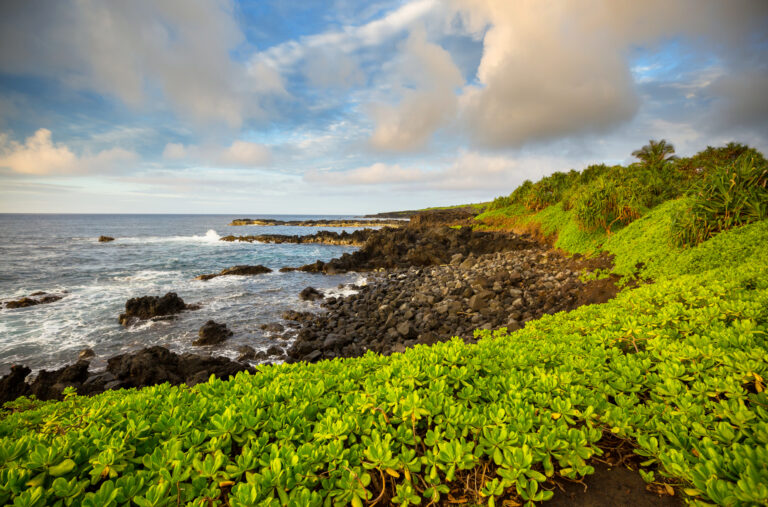
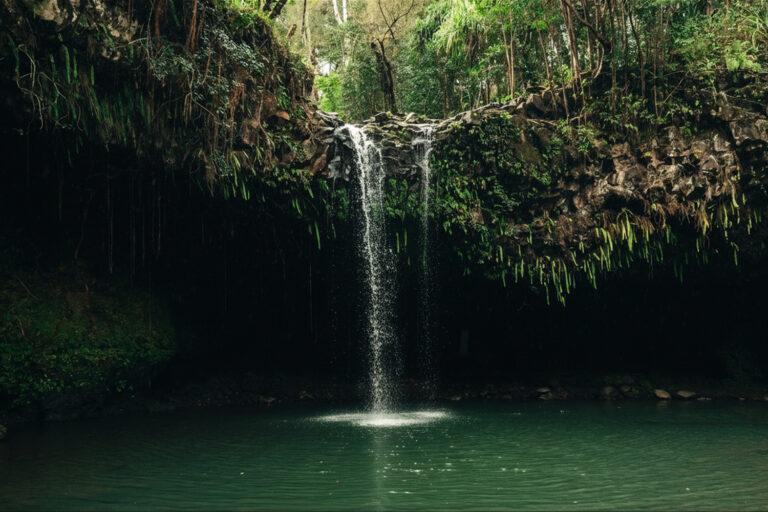
- The Kipahulu District: The Kipahulu District is by the sea, on the other side. It is green and wet. It has waterfalls, rainforest, and bamboo.
The park also protects rare native Hawaiian wildlife and plants, including the nene (Hawaiian goose) and the silversword, a unique plant found naturally on Haleakala and a few other high-elevation areas in Hawaii.
Beyond its natural beauty, Haleakala holds deep cultural and spiritual significance for Native Hawaiians. The name means “House of the Sun” and is connected to a Hawaiian legend about the demigod Maui slowing the sun’s journey across the sky. Visitors should respect the land and its cultural importance throughout their visit.
Handpicked condos, beachfront homes and family villas — exclusively curated for travelers who want to skip the guesswork.
Browse Our Maui Vacation Rentals and Find the Stay That’s Perfect for You

Best Time to Visit Haleakala National Park
The park is open year-round, and the best time depends on whether you want sunrise, hiking, sunsets, or stargazing. Weather on the mountain is unpredictable, so treat the seasonal tips below as possibilities.
Best Season
The park is open all year. Even on rainy days at the beach, the top of the mountain is often above the clouds.
- April to October is usually the driest time on Maui. It is a good choice if you want sunny days. NPS notes that conditions at the summit can be hot, dry, wet or cold at any time of year, and that clouds can roll in on any day.
- January to March is Humpback whale season. You may see humpback whales in the sea near the Kipahulu District. Sightings are never guaranteed.
- July and August are great months to see clear views of the Milky Way at night.
Some travelers say late November to April is a nice time because it is not too crowded. So there is no wrong answer. Pick the season that fits your trip.
Best Time of Day
- Sunrise (3:00 AM – 7:00 AM): This is the most famous choice. It is magic, but it requires a very early morning drive of up to two hours from major resort areas. You need a booking through Recreation.gov.
- Daytime (7:00 AM – Sunset): Great for hiking, and you can see the silver sword plants in bright light. It is also less crowded.
- Sunset (Late Afternoon Onward): No booking is needed. But many people come, so get there 2 to 3 hours early to find a parking spot.
- Night (After the Sunset): The stars are amazing because there are no city lights. The park stays open at night, and there is no extra fee.
Explore by Area
Browse Maui Vacation Rentals

Haleakala Sunrise Reservation: How to Book and Rules to Know?
This is the requirement many visitors miss: each vehicle entering the Summit District between 3:00 a.m. and 7:00 a.m. needs a sunrise reservation. It works like a timed ticket you book before you go, and it is separate from your park entrance fee.
- Where to book: Only on Recreation.gov. Reservations are not sold at the entrance station or anywhere in the park.
- Fee: $1.00 per vehicle. It is non-refundable, and passes such as America the Beautiful do not apply.
- When they are released: Reservations go on sale 60 days before your visit date and again 2 days before, at 7:00 a.m. Hawaii time. Create a Recreation.gov account and sign in ahead of time.
- Limits: One reservation per customer every three days. Each reservation is for one vehicle and one specific day.
- At the entrance station: The reservation holder must be present with a photo ID that matches the name on the reservation, along with the confirmation. Follow the Recreation.gov instructions on how to show it.
- Entrance fee: Your park entrance fee or accepted pass is still required. A pass covers the entrance fee only.
NPS states that visitors without a sunrise reservation are not admitted between 3:00 a.m. and 7:00 a.m., and the entrance station does not issue any. If you miss out, you can enter after 7:00 a.m. without one. Campers at Hosmer Grove receive a sunrise reservation for the morning after their stay as part of their campsite booking.
You do not need a sunrise reservation for sunset, daytime visits, or any time outside 3:00 a.m. to 7:00 a.m. Rules can change, so check the Recreation.gov booking page and the NPS Alerts & Conditions page shortly before your trip.
Haleakala National Park Rules and Visitor Guidelines
- Stay on the trails. Hiking is limited to marked trails by law, and the plants are fragile.
- Take nothing. Plants, animals, rocks, and cultural features are protected. Leave everything as you found it.
- Be quiet near the top. The summit is a sacred place.
- Drive slowly and watch for wildlife. Native birds, including the nēnē, are often on roads and in parking lots, day and night.
- Do not swim at the Pools of ʻOheʻo. NPS has closed the pools to swimming because of flash floods and falling rocks, and advises against swimming in ʻOheʻo Gulch. Check the park’s alerts for current conditions.
- Bring your own food and water. There are no food shops or gas stations in the park.
- Commercial tours need authorization. Operators running stargazing and other tours in the park must have NPS permission.
Camping and Cabins
Staying overnight is only allowed in designated camping areas. You cannot sleep in a vehicle outside a campground. All overnight stays are limited to three nights in any 30-day period across the whole park, and all reservations are made on Recreation.gov.
| Option | Where | Cost and booking |
| Hosmer Grove Campground | Summit District, near 7,000 feet | $20 per night. Six sites, up to six people and two tents each. Online reservation required. |
| Kīpahulu Campground | Kīpahulu District | Reservation required on Recreation.gov. Check the booking page for the current rate. |
| Wilderness tent camping | Hōlua and Palikū, inside the crater | Reservation required. Reached only on foot. |
| Wilderness cabins | Hōlua, Kapalaoa and Palikū, inside the crater | $75 per night. Hike at least 3.7 miles to reach the nearest cabin. Reserve up to six months ahead. |
The $75 rate applies only to the three wilderness cabins, not to the campgrounds or wilderness tent sites. Prices and rules can change, so confirm them on the NPS camping page and on Recreation.gov before you book.
How to Get to Haleakala National Park?
You reach the park by car or on a guided tour, because public transport is not available to either district. Which route you take depends on the district you plan to visit.
By Car (Best for Most People)
The Summit District is reached from Kahului via Route 37 to 377 to 378, also called Haleakalā Highway. NPS gives these approximate driving times to the summit:
- From Kahului: about 2.5 hours
- From Wailea: about 3 hours
- From Lahaina: about 3.5 hours
These estimates are for reaching the summit, not just the park entrance. Your actual time will vary with traffic, weather, stops and road conditions. The road is paved but steep and winding, with sharp turns, and it is dark at sunrise. Drive slowly and carefully. For GPS, NPS lists the Summit District address as 30,000 Haleakalā Hwy, Kula, HI 96790.
By Tour
There is no bus to the park. But many companies run Haleakala sunrise tours like Skyline Hawaii with hotel pick-up. Many tours do not include the park fee, so ask before you book. A tour is a good choice if you:
- Do not want to drive in the dark
- Are visiting for the first time
- Do not want to deal with bookings and parking
Important: Gas and Electric Cars
There are no gas stations and no EV charging stations inside the park. NPS lists Pukalani as the last place to get gas on the way to the Summit District. Fill your tank or charge your battery before you enter, and make sure you have enough for the climb and the return trip. NPS also cautions that even electric vehicles with a full charge have been unable to reach the summit, so plan your charge conservatively.
What About Kipahulu?
Kīpahulu is on the other side of the mountain, and the two districts are not connected by a direct road inside the park. NPS reaches it via Route 36 to 360 to 31 (the Hāna Highway) from Kahului, about 4 hours of driving, and gives its GPS address as Mile Marker 41 Hana Hwy, Hana, HI 96713. If you are starting from somewhere other than Kahului, check your route and timing in a navigation app. The last gas on the Hāna Highway before Hāna is in Pāʻia.
Because visiting both districts takes a lot of driving, planning them on separate days is usually more practical.
Handpicked condos, beachfront homes and family villas — exclusively curated for travelers who want to skip the guesswork.
Let Aloha Find You a Home
What to Carry to Haleakala? (Packing List)
The top of the mountain is much colder than the beach. It can get close to freezing, and wind makes it feel even colder. Wear layers so you can add or take off clothes.
Clothes
- Warm jacket or fleece
- Rain jacket
- Long pants
- Warm hat and gloves
- Closed shoes or hiking shoes
- Extra socks
Food and Drinks
- Water; bring more than you think you need.
- Snacks and a packed meal. No food is sold in the park.
- A thermos with something warm, like cocoa or tea
Papers and Money
- Photo ID
- Your sunrise booking (a screenshot is smart)
- Your credit or debit card
- Your national park pass, if you have one
Other Helpful Things
- Sunscreen and sunglasses. The sun is strong up high.
- A flashlight or headlamp
- A blanket to sit on and keep warm
- A camera or phone, and a power bank
- A map saved offline. Phone signal can be weak.
For Kipahulu: wear light clothes, bring a rain jacket, and take a big water bottle. It is hot and wet there.
What to Avoid at Haleakala?
- Do not come for sunrise without a booking. You will not get in.
- Do not wear beach clothes. You will be very cold.
- Do not start with a low gas tank.
- Do not count on your phone. Signal can be weak.
- Do not rush up the mountain or run around. The air is thin at 10,023 feet. Some people feel dizzy, get a headache, or feel sick. Go slowly and drink water. If you have heart or lung problems, ask your doctor first.
- Do not hike too far down the crater. Going down is easy. Climbing back up is very hard. Turn around early.
- Do not drive down in the dark if you are tired. The road has sharp turns.
- Do not swim in the Pools of ‘Ohe’o. It is not allowed.
- Do not try to do the summit and Kipahulu in one day. It is too far.
- Do not make loud noise or take anything from the land.
Best Things to Do in Haleakala National Park
The best things to do in Haleakala National Park include watching the sunrise or sunset, stargazing from the summit, hiking volcanic trails, and exploring the waterfalls and rainforest in the Kipahulu District.
1. Watch the Sunrise
This is the number one thing to do. Go to the lookout near the visitor center. Bring a blanket and warm clothes. Come about 30 to 60 minutes before the sun comes up. Some days you will see the sun rise above a sea of clouds. Even on a cloudy day, many people say it is special.
2. See the Sunset
Sunset is just as pretty and needs no booking. Come early, because the parking lots fill up. The visitor center has more parking spots than the very top.
3. Look at the Stars
There are no city lights, so the sky is full of stars. Bring warm clothes. If you do not want to drive at night, join a stargazing tour.
4. Take a Hike
Distances below are the figures NPS lists. At this altitude, even short trails can feel harder than they look.
| Trail | Distance |
| Pā Kaʻoao (White Hill) | 0.4 mile round trip |
| Leleiwi Overlook | 0.3 mile round trip |
| Hosmer Grove | 0.54-mile loop |
| Halemauʻu Trail | 2.2 miles round trip to the crater viewpoint (1.1 miles each way) |
| Sliding Sands (Keoneheʻeheʻe) Trail | 0.5 mile round trip to the first overlook |
| Sliding Sands to Halemauʻu (full crater route) | About 11 miles one way |
| Pīpīwai Trail (Kīpahulu) | 4 miles round trip |
The longer crater hikes involve substantial elevation changes and can be strenuous on the return climb, so they are not casual walks. The trails are soft cinder in places, and there is no cell service in the crater. The full crater route ends at the Halemauʻu trailhead, so plan how you will get back to your car. Check posted trail closures before you set out.
5. Visit Kipahulu
It is green, wet, and full of waterfalls. It is a very different place from the top of the mountain. Plan a separate day on the Road to Hana.
Where to Stay Near Haleakala National Park and Where to Eat?
Most visitors stay in hotels or vacation rentals in Kihei, Wailea, or Kaanapali and drive to the park. If you prefer more space and flexibility, you can explore vacation homes and condos through Hawaiian Beach Rentals when planning your Maui stay.
Camping is another option, with tent sites at Hosmer Grove and designated campsites and cabins inside the park that require reservations.
Since there are no restaurants or food shops inside Haleakala National Park, pack water, snacks, and a meal before you leave. You can also stop at cafes and shops in Pukalani, Makawao, or Kula on your way to the summit. If you’re visiting the Kipahulu District via the Road to Hana, plan your food stops along the route, as dining options become limited in more remote areas.
Final Thoughts
Haleakala National Park offers a different side of Maui, from sunrise views above the clouds to volcanic hiking trails and lush rainforests. To make the most of your visit, book your sunrise reservation in advance, dress for the cold summit weather, and plan separate days for the Summit and Kipahulu districts.
If you’re planning a longer Maui getaway, choosing the right place to stay can make exploring the island easier. Explore Hawaiian Beach Rentals to find a comfortable vacation rental for your trip, and check the National Park Service website for the latest fees, reservations, and trail conditions before you go.
Ready to experience the beauty of Haleakala, the House of the Sun? Pack your layers and plan your adventure!